PDR vs. Traditional Body Shop: Which Is Right for Your Dent?
For most dents, paintless dent repair (PDR) is better than a traditional body shop. PDR costs 50–70% less, takes hours to days instead of weeks, preserves your factory paint, leaves no bodywork on your vehicle history, and generates no hazardous waste. A body shop is only necessary when paint is cracked, metal is torn, or structural damage is involved.
Here’s a detailed comparison to help you decide.
How Traditional Body Shop Repair Works
A traditional body shop fixes dents by:
- Sanding down the damaged area
- Applying body filler (Bondo) to reshape the surface
- Priming and repainting the panel
- Blending the new paint with surrounding panels
This process works for any type of damage — including dents with broken paint, deep creases, and collision damage. But it comes with trade-offs.
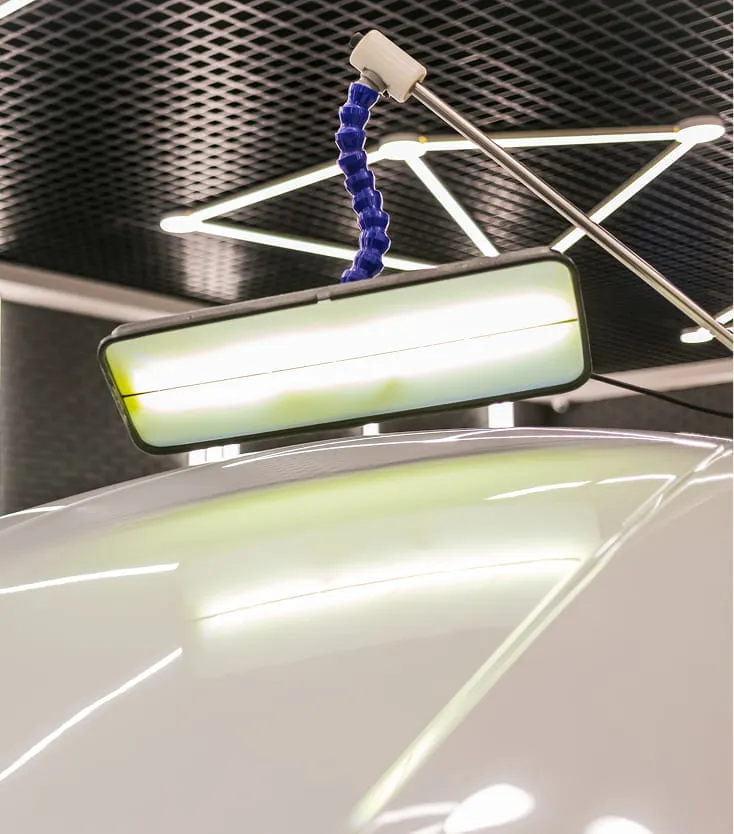
How PDR Works
Paintless dent repair skips all of that. A skilled technician uses specialized tools to access the back of the damaged panel and carefully push the metal back to its original shape — no filler, no paint, no chemicals.
The result is an invisible repair that preserves your vehicle’s original factory finish.
The Comparison
Cost
PDR typically costs 50–70% less than traditional body shop repair. Without the materials, labor, and time required for sanding, filling, and painting, the savings are significant.
Time
Most PDR repairs are completed in hours to a few days, depending on severity. Traditional body shop work can take one to three weeks — sometimes longer if paint needs to be ordered or panels need replacement.
Quality
This is where the difference really matters:
- PDR preserves your original paint. Factory paint is more durable, UV-resistant, and consistent than any aftermarket repaint.
- Body shop repaints may not match perfectly. Color matching is difficult, especially on metallic and pearl finishes. Over time, repainted panels can fade differently than the rest of the vehicle.
- No body filler means no risk of cracking. Bondo can crack, shrink, or separate over time — especially in Texas heat.
Resale Value
A vehicle with its original factory paint is worth more than one with bodywork on its history. PDR leaves no record of repair — because technically, no body work was performed. Traditional repairs show up on vehicle history reports and can reduce trade-in value.
Environmental Impact
PDR uses no chemicals, no paint, and generates no hazardous waste. It’s the environmentally responsible choice.
When Should You Choose a Body Shop Instead?
PDR isn’t the right solution for every situation. You’ll need traditional body shop work when:
- Paint is cracked or chipped at the dent site
- The metal is torn or severely stretched beyond its elastic limit
- Damage is on a panel edge where tools can’t reach behind
- Collision damage has bent the frame or structural components
For these cases, a quality body shop is the better option.
When PDR Is the Clear Winner
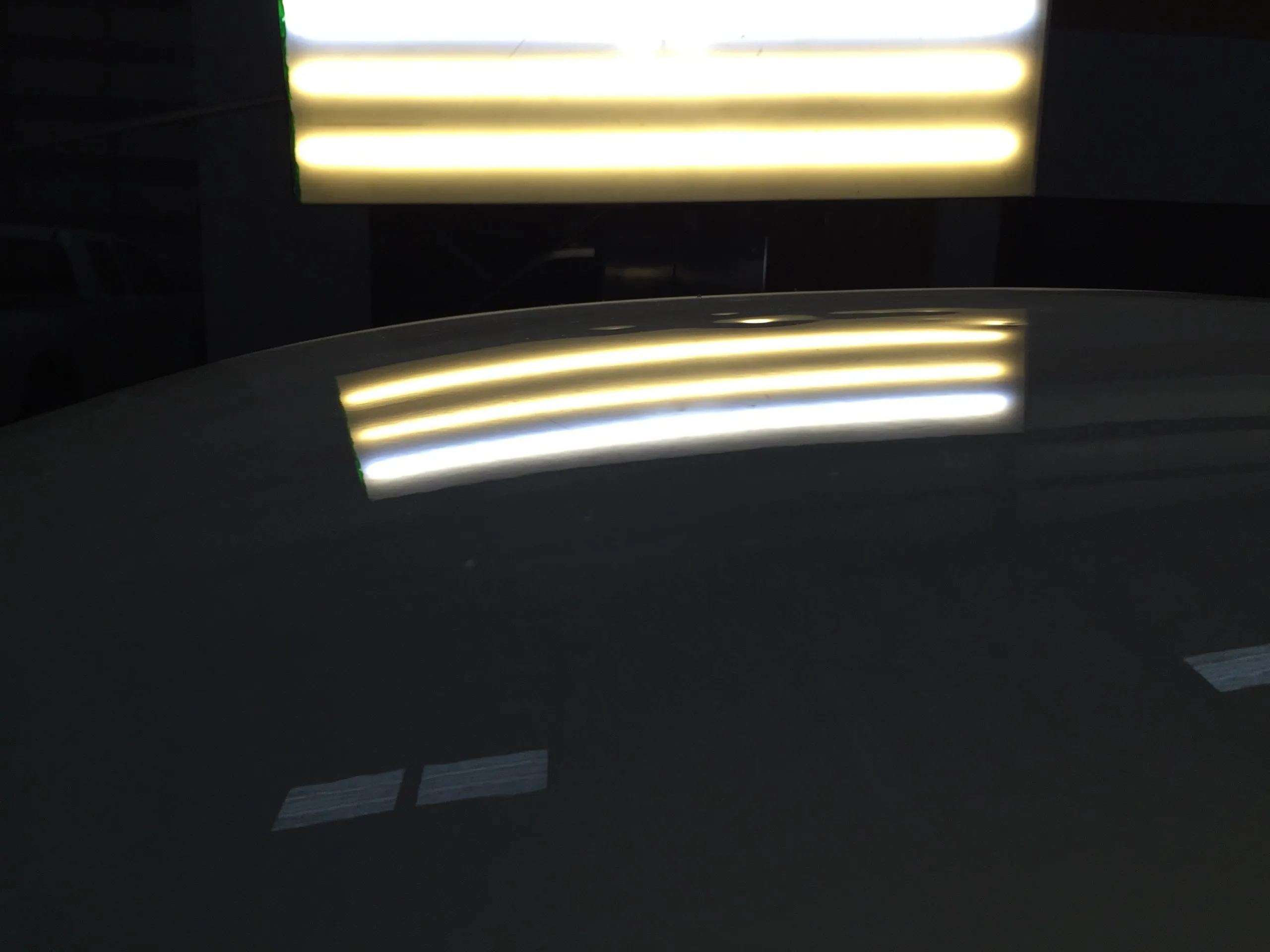
For the majority of real-world dent damage, PDR is the superior choice:
- Door dings from parking lots
- Hail damage (even extensive multi-panel damage)
- Minor creases and body line dents
- Any dent where the paint surface is intact
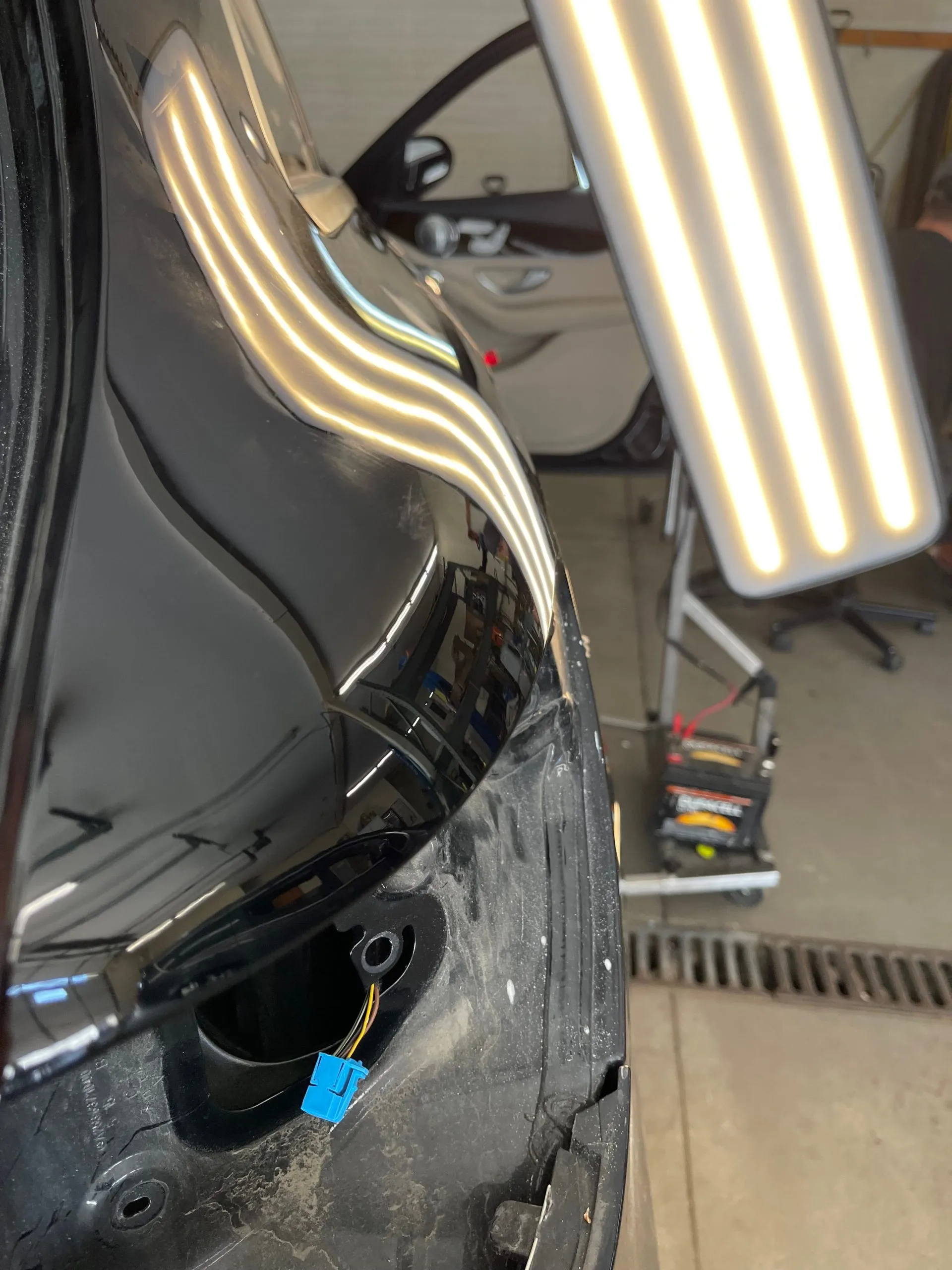
Every PDR Repair at PdrWorks Is Backed by a Lifetime Warranty
At PdrWorks Hail and Dent, we stand behind every repair with a lifetime warranty. If you’re dealing with a dent and wondering which route to take, bring it to us for a free assessment. We’ll tell you honestly whether PDR is the right solution — and if it’s not, we’ll point you in the right direction.
Call (214) 250-2330 or request a free estimate online.
Have Questions About Your Vehicle?
Our team is here to help. Whether it's hail damage, a parking lot ding, or an insurance claim question — we'll give you honest answers and a free estimate.